


Key Takeaways About Tenant Improvement Loan
A Tenant Improvement Loan funds build-outs and renovations inside commercial leased space. This guide is for property owners and tenants planning projects with lease or move-in deadlines.
- Identify required documents contractor bids permits and schedules
- Prevent payment delays by matching draws to measurable milestones
- Avoid cash shortfalls with contingency funds and partial releases
- Spot collateral needs early and prepare equipment lists and titles
- Reduce approval time with organized photos invoices and lien waivers
- Plan combined funding with working capital or short term credit
Introduction
Renovating or building out commercial space often stalls when funding gaps threaten operations and vendor payments. You may have a lease deadline or a tenant counting on finished space for revenue. A Tenant Improvement Loan can bridge cash flow while construction progresses and rent or sales continue. Choosing the right loan matters because timing and collateral affect your business survival.
Lenders look beyond credit scores to project budgets, contractor qualifications, and expected cash flow after the work. Understanding draw schedules and milestone inspections helps you avoid surprise shortages during the build. Collateral requirements vary from equipment to personal guaranties and affect approval speed. Clear budgets and realistic timelines reduce lender pushback.
Fast approvals matter when lease obligations or tenant moves hinge on completion dates in New York City or Houston. You may need funds released in stages so contractors stay on schedule and your operating account remains intact. Preserving working cash is a common priority for small business owners juggling payroll and vendor bills. Properly structured draws keep operations running without dipping into reserves.
Professional diagnostics and documented estimates help lenders verify the scope and risks of a renovation project. Expect requests for contractor bids, construction budgets, and inspection reports to confirm milestones. A reliable draw schedule ties each disbursement to an observable outcome like installed HVAC, completed framing, or finished millwork. These details speed decisions and protect your ongoing cash flow.

What Is A Tenant Improvement Loan And How It Works
A Tenant Improvement Loan is a short-term commercial loan that finances build-outs or renovations of leased space.
- Funds pay contractors and materials during construction.
- Disbursements tie to project milestones.
- Lenders verify contractor bids and schedules.
- Repayment starts based on the loan terms or lease commencement.
These loans usually release money through a draw schedule that matches observable progress on site. Lenders require contractor invoices, photos of completed work, and inspections before each draw. A common homeowner question is whether the loan covers finishes and fixtures, and many loans do include those line items when listed in the budget. A clear draw schedule prevents surprises and helps you keep working cash for operations.
Qualification often depends on the project scope, business cash flow, and the contractor’s track record. Lenders also look at the lease terms if the space is tenant-occupied, and they may require a personal guaranty for small businesses. For property owners in New York City or tenants moving into Houston properties, timing tied to lease obligations can drive the need for faster approvals. Providing detailed budgets and contractor credentials reduces lender questions and speeds decisions.
Collateral varies by lender and loan product, ranging from equipment to a lien on the leasehold interest or the property itself. Some small business products bundle tenant improvement funding with equipment financing or commercial real estate finance options. You can prepare by assembling contractor bids, construction schedules, and project photos to support applications. If you need help selecting the right funding product, review your options for commercial lending and construction draws on the Pacific Funding Business resource at commercial real estate finance.
Typical Eligibility Requirements For Commercial Renovations
Lenders typically require at least two years of business financials to show stable revenue and the ability to service new debt. They will review recent tax returns, profit-and-loss statements, and bank statements to confirm operating cash flow. A clean accounts receivable trend helps if the project will rely on post-renovation income to cover payments. Expect lenders to ask questions about seasonal swings and one-off income that could affect loan repayment.
Credit history matters for both the business and any guarantors, but lenders also weigh experience managing construction budgets. They often request a contractor’s license, proof of insurance, and a portfolio of completed commercial projects to judge execution risk. If the borrower or guarantor has prior construction experience, lenders view that as a positive risk factor. Lenders may still require a personal guaranty for small firms with limited operating history.
Loan-to-cost and advance rates vary with project scope and collateral, so lenders ask for a detailed scope of work and itemized budget. They may cap funding for soft costs like design fees and permits while advancing more for hard costs such as HVAC, framing, and electrical work. Showing multiple competitive bids and a clear schedule reduces perceived budget risk and can improve your advance rate. If your deal links to a larger property financing plan, consider commercial real estate financing channels like those described at commercial real estate financing.
Underwriting will examine the lease terms and tenant mix when the space is leased or soon-to-be leased, especially if tenant rent supports repayment. Lenders check construction timelines against lease commencement dates and may require completion guarantees to avoid missed lease obligations. For projects in New York City or for tenants relocating in Houston, those timing pressures often increase documentation and inspection frequency. Provide clear milestone definitions and accessible site access to speed inspections and fund draws.
How To Create A Realistic Renovation Budget
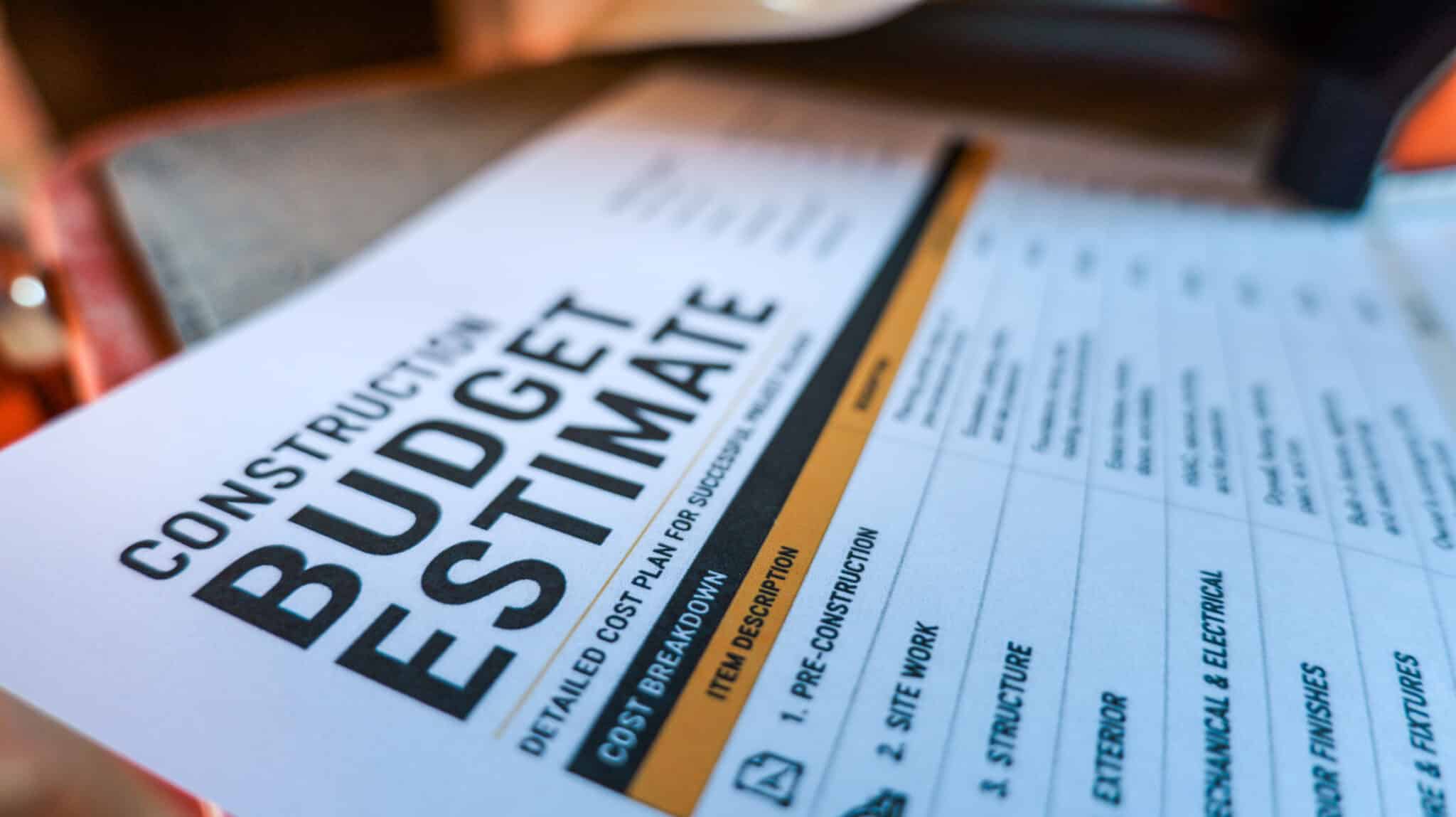
Start by listing every work item and assign a realistic unit cost and quantity to each line item before estimating totals. Include hard costs like HVAC, electrical, and millwork and soft costs such as permits, design, and contingency. Ask contractors for itemized bids that separate materials, labor, and subcontractor fees to make comparisons easy. A clear line-item budget lets lenders verify costs without chasing details.
Use a contingency of at least 5–10 percent for unknowns and another allowance for scope changes to avoid midproject shortfalls. Track allowances for finishes and fixtures separately so you can adjust upgrade choices without derailing core systems like plumbing and electrical. Document chosen brands, fixture counts, and installation notes to justify budget lines during underwriting and inspections. Lenders favor budgets tied to observable deliverables rather than vague allowances.
Plan cash flow by mapping when invoices will be issued and when payments are due, then align that with your draw schedule and operating reserves. Prepare backup sources such as a short-term bridge or equipment financing to cover timing gaps, and reference bridge loan options when discussing interim solutions with lenders. Keep bank statements and accounts receivable reports current so underwriters see your capacity to cover overlaps between draws. This preparation reduces the chance you must tap working cash unexpectedly.
Confirm inspection triggers you will use for each draw and record the required proof, such as photos, invoices, and signed inspection reports from the contractor. A professional would confirm progress by checking installed components like the condensate drain line, supply plenum, and electrical panel, and by taking photos and measurement readings. For example, a contractor might supply photos, a moisture meter reading after roofing, and a written progress report before a lender issues funds. Clear documentation speeds approvals and keeps construction moving on schedule for New York City and Houston projects.
Structuring Draw Schedules And Payment Milestones
Set draws to match measurable work so each payment has a clear acceptance condition and quick verification steps. Tie early draws to mobilization, permits, and long-lead items to prevent contractor delays. Require contractor-signed invoices, dated photos, and a short site checklist before release. This reduces disputes and keeps your operating account intact during construction.
- Define each milestone with specific deliverables.
- Require photos and invoices for every draw.
- Schedule third-party inspections when risk is high.
- Hold retention until final punch list is closed.
Create payment milestones that match contractor billing cycles and avoid monthly mismatches that force you to cover gaps. Use interim small releases for subcontractors to maintain momentum while larger sums await inspection. Consider a partial release for ordered equipment with proof of purchase and expected delivery dates included. This helps contractors buy materials without tapping your working cash reserves.
Include a final retention holdback to ensure punch-list completion and system testing like HVAC airflow or electrical load checks. Specify documentation for final release such as signed lien waivers, test readings, and an occupancy-ready checklist. A professional would confirm completion by inspecting components such as the condensate drain line or electrical panel and recording test readings. If you expect operating shortfalls during construction, review alternative sources like working capital solutions to preserve payroll and vendor payments.
Plan draw timing around lease milestones when work ties to a tenant move-in or lease commencement in New York City or Houston situations. Coordinate lender inspections with contractor schedules to avoid hold-ups when access windows are narrow. Keep a simple log of requested draws, approvals, and expected release dates to reduce miscommunication. Clear timelines and verifiable milestones shorten funding gaps and protect your ongoing operations.
Collateral Options And Lender Evaluation Criteria
Lenders consider several types of collateral beyond the finished space when assessing a Tenant Improvement Loan, including business equipment, accounts receivable, and a lien on leasehold improvements. They may require a personal guaranty from owners if business operating history is thin, especially for small firms seeking short-term construction financing. Commercial lenders compare the collateral value to outstanding debt to decide loan-to-value and allowable advance rates for each collateral type. Prepare clear schedules and photos of equipment and invoices to help underwriters value those assets quickly.
Underwriters evaluate the contractor and subcontractor profiles as part of risk assessment, checking licenses, insurance certificates, and prior project documentation. They also look for three things: realistic timelines, credible cost estimates, and evidence of contractor cash flow to avoid stoppages. A professional reviewer will want to see lien waivers, supplier terms, and proof of materials ordered to reduce the chance of subcontractor claims. Including those documents with your application shortens the time lenders spend asking follow-up questions.
Some lenders accept a commercial line of credit as secondary collateral or a complement to construction funding, which can reduce the amount of fixed collateral needed on the improvement loan. If you plan to preserve operating cash, discuss pairing the project loan with working capital products and reference working capital financing options during underwriting. Lenders will simulate repayment scenarios using your bank statements and projected post-renovation cash flow to ensure the combined debt service remains manageable. Mentioning prior draws from a line of credit may help underwriters see your short-term liquidity practices.
Credit quality and collateral together shape approval speed, so organize financials, equipment lists, and clear title evidence before applying to avoid delays. For properties or tenants in New York City and businesses with operations tied to Houston leases, timing evidence and lease terms become part of collateral assessment. A typical diagnostic step an underwriter uses is ordering an appraiser or title report to confirm lien positions and asset values before issuing term sheets. Early preparation of these documents reduces inquiry cycles and helps you keep working cash available during construction.
Ways To Speed Approvals While Preserving Working Cash
Start applications with a complete packet so underwriters can act quickly and you avoid drawing on operating accounts. Include contractor bids, color schedules, equipment lists, and signed lien waivers to reduce follow-up requests. Provide recent bank statements and two years of tax returns to show immediate liquidity and repayment capacity. Clear organization often cuts review cycles and keeps payroll intact during construction.
Ask your lender about conditional approvals that reserve funds pending a final site check or title report. Conditional commitments let you order long-lead items without depleting working cash while the lender completes formalities. Coordinate inspection windows with your contractor to prevent re-inspections and delays in disbursements. This approach helps maintain vendor trust and keeps crews on schedule.
Negotiate a partial release for specific vendor payments using purchase receipts and proof of delivery to protect cash flow. A partial release covers costs like ordered HVAC units or millwork without requiring full progress completion. Combine partial releases with short retention holds to ensure final performance while preserving operating funds. Discuss combining project funding with a small term loan or revolving credit during underwriting to smooth timing gaps.
Prepare photos, measurement readings, and simple checklists for each scheduled draw to speed verification and approval. A professional will use photos, a moisture meter reading, and signed invoices to confirm milestones before releasing funds. If your project affects a lease start date in New York City or a tenant move in Houston, flag that in the application to prioritize scheduling. Mentioning complementary products like term loans and business loans can broaden options without draining reserves.
Common Pitfalls Why Funding Gaps Happen And Solutions
Unexpected funding gaps often start with scope changes after work begins, such as adding HVAC or specialty electrical work. These midproject changes increase hard costs and require new permits or inspections that delay draws. To address this, get written change orders with itemized costs before authorizing additional work. Keep a small reserved contingency in your operating account to handle quick approvals without pausing the crew.
- Request itemized change orders from contractors.
- Document required inspections before funding.
- Maintain a dedicated contingency bank account.
- Align contractor payment terms with draw timing.
Another common pitfall is mismatched documentation between contractor invoices and lender requirements that blocks disbursements. Lenders need clear photos, signed lien waivers, and matching invoices to release funds without delay. Assign one person to prepare each draw packet and verify all items meet lender checklists in advance. This reduces back-and-forth and keeps the payment timeline predictable for vendors.
Timing conflicts can also arise when lease milestones and construction schedules diverge, creating compressed payment needs near occupancy. If your timeline tightens, consider alternate lending sources such as short-term SBA-backed options to tide funding gaps. Explore how an SBA product might complement your project funding when you need temporary liquidity. Discussing blended financing strategies early helps avoid last-minute draws on operating cash.
Poorly defined acceptance criteria for milestones often cause disputes that stall payments and work. Define measurable triggers like HVAC startup, electrical inspection sign-off, or installed millwork counts before work begins. A third-party inspection or simple test readings can confirm completion and justify the draw release. Clear criteria protect both you and the contractor while keeping the renovation on schedule in Houston or with tight deadlines in New York City.
When To Call A Professional For Loan Or Build Advice
Call a professional when your financing choices affect long-term cash flow and loan covenants require interpretation. A commercial lender or loan broker can review term sheets and identify restrictive clauses before you sign. They will compare repayment timing against projected revenue to prevent future covenant breaches. Getting this review early helps avoid forced asset sales or unexpected guaranty exposures.
Bring in a construction consultant if you cannot prove measurable milestones to a lender or suspect inspection disputes will delay draws. A consultant will prepare clear acceptance criteria tied to systems like HVAC startup or electrical panel testing. They can produce measurement readings and photo documentation that underwriters accept quickly. This reduces the chance you must use operating cash for interim vendor payments.
Engage an accountant or CFO-level advisor when tax, depreciation, or cash flow projections affect loan sizing and collateral choices. They will model scenarios showing how payments interact with payroll and vendor obligations under different draw schedules. This helps decide whether to pair a Tenant Improvement Loan with a short-term credit product or asset-backed option. For asset-focused alternatives, discuss pairing your project with asset-based lending to preserve operating cash.
Talk to a lender or advisor immediately if lease terms or tenant move-in dates drive funding urgency in New York City or if tenant relocation timelines compress approval windows in Houston. A timely consult can prioritize conditional approvals or coordinate inspections to match narrow access windows. Professionals will identify documentation shortages that block draws and recommend quick fixes. Acting early reduces the risk of construction stoppages and keeps operations funded.
Frequently Asked Questions
What is a Tenant Improvement Loan and who qualifies?
A Tenant Improvement Loan pays for build-outs or renovations inside commercial space, usually under a fixed draw schedule tied to milestones. Lenders approve borrowers based on business credit, revenue history, time in business, and the project’s detailed budget and plans. Collateral can include the leasehold improvement, business assets, or a personal guarantee, so review terms carefully and ask lenders about draw timing. If the build involves structural, electrical, or plumbing changes, hire licensed pros and get inspections to avoid safety risks and compliance issues.
How do draw schedules prevent cash flow gaps?
A draw schedule ties each loan disbursement to completed work milestones and verified invoices so funds arrive when contractors need payment. Lenders or agents inspect or require photos, invoices, and lien waivers before releasing each draw to confirm progress. This staging keeps owners from fronting large upfront costs and reduces the chance of work stopping for lack of cash. If structural, electrical, or plumbing risks appear, pause draws and hire a professional to inspect before releasing more funds.
What collateral do lenders accept for TI funding?
Lenders commonly take the commercial property as primary collateral for a Tenant Improvement Loan, especially for owner-occupied buildings. They may accept a mortgage lien, deed of trust, or assignment of lease as security. Lenders sometimes accept business assets, equipment financing, or a personal guarantee to support weaker property collateral. If structural or code issues appear during appraisal, stop work and hire a professional to avoid safety risks and protect funding.
How do lenders verify construction milestones quickly?
Lenders verify construction milestones by requiring draw requests with dated invoices and contractor-signed progress statements. They often order site inspections or request photos, measurements, and test readings to confirm work. Appraisers or third-party inspectors use checklists, moisture meters, and written reports to document completion, hire a professional for safety-sensitive checks. Quick approvals improve when borrowers submit organized budgets, updated schedules, lender-required lien waivers, and clear contact info for contractors.
How can I combine a Tenant Improvement Loan with working capital?
You can structure a Tenant Improvement Loan with a separate working capital tranche or a revolving line tied to the same lender. Lenders often allow split proceeds so TI funds pay contractors while a working capital reserve covers payroll and supplies. Provide clear budgets, draw schedules, and recent financial statements to speed approval and protect cash flow. If construction affects building systems, hire a qualified contractor and inspector to avoid safety hazards and costly delays.